Vacant Property Grant vs Derelict Property Grant: What You Need to Know
If you own or have inherited a vacant or derelict property in Ireland, there's a good chance you've heard about the government grants available to bring it back into use. But the process is more nuanced than most people realise, and the difference between the two grant streams matters.
Vacant Property Refurbishment Grant. This grant is aimed at properties that have been continuously vacant for at least two years. The property must be confirmed as vacant, typically evidenced through ESB meter records showing negligible or zero electricity usage over the qualifying period. The grant covers up to €50,000 for renovation works, or up to €70,000 where the property is confirmed as derelict.
Derelict Property Grant. If the property is in a more advanced state of disrepair (structurally unsafe, significant fabric failure, or posing a risk to public health or safety) it may qualify under the derelict stream. This attracts the higher grant ceiling of €70,000 and can include top-up funding in certain circumstances. Dereliction must be demonstrated through a professional structural or condition report.
How do you prove vacancy? The most common method is through ESB (electricity) records. Your local ESB Networks office can provide a meter reading history showing consumption over the relevant period. If the property has had its meter removed or disconnected, this can actually support your case, but you'll need to document it properly. Other supporting evidence can include local authority records, sworn affidavits, or evidence from the Revenue Commissioners.
What documents do you need? A complete grant application typically requires:
- Proof of ownership (title deeds or Land Registry folios)
- Evidence of vacancy (ESB records, affidavits)
- Architectural drawings of the proposed renovation
- A detailed Bill of Quantities (BoQ) with cost breakdown
- A structural or condition report (particularly for the derelict stream)
- Tax clearance certificate
- Confirmation of planning permission (or exemption)
- Contractor details and quotations
Timeline. From initial assessment to grant approval, expect a timeline of approximately 4 to 6 weeks if the application is well-prepared and complete. Poorly prepared applications with missing documentation can take significantly longer, and in some cases are returned without assessment.
Do not start works before approval. This is the single most common mistake. If you begin any renovation works before receiving formal grant approval from your local authority, the work carried out will not be eligible for grant funding. This includes demolition, strip-out, and site clearance. The only exception is emergency works required for safety, and even these should be documented and agreed with the local authority in advance.
Getting professional help. The grant process rewards thoroughness. A well-prepared application with professional drawings, a structured BoQ, and a clear compliance narrative is far more likely to be approved quickly and without requests for further information. This is where professional support makes the difference.
How EchoByld can help. We prepare complete grant application packages, from initial property assessment and drawings through to cost estimation and compliance documentation. If you're not sure whether your property qualifies, or you want help navigating the process, start with a consultation or a project analysis.
Need help with your project?
Start with a project analysis or book a consultation to discuss your next steps.
Related Articles
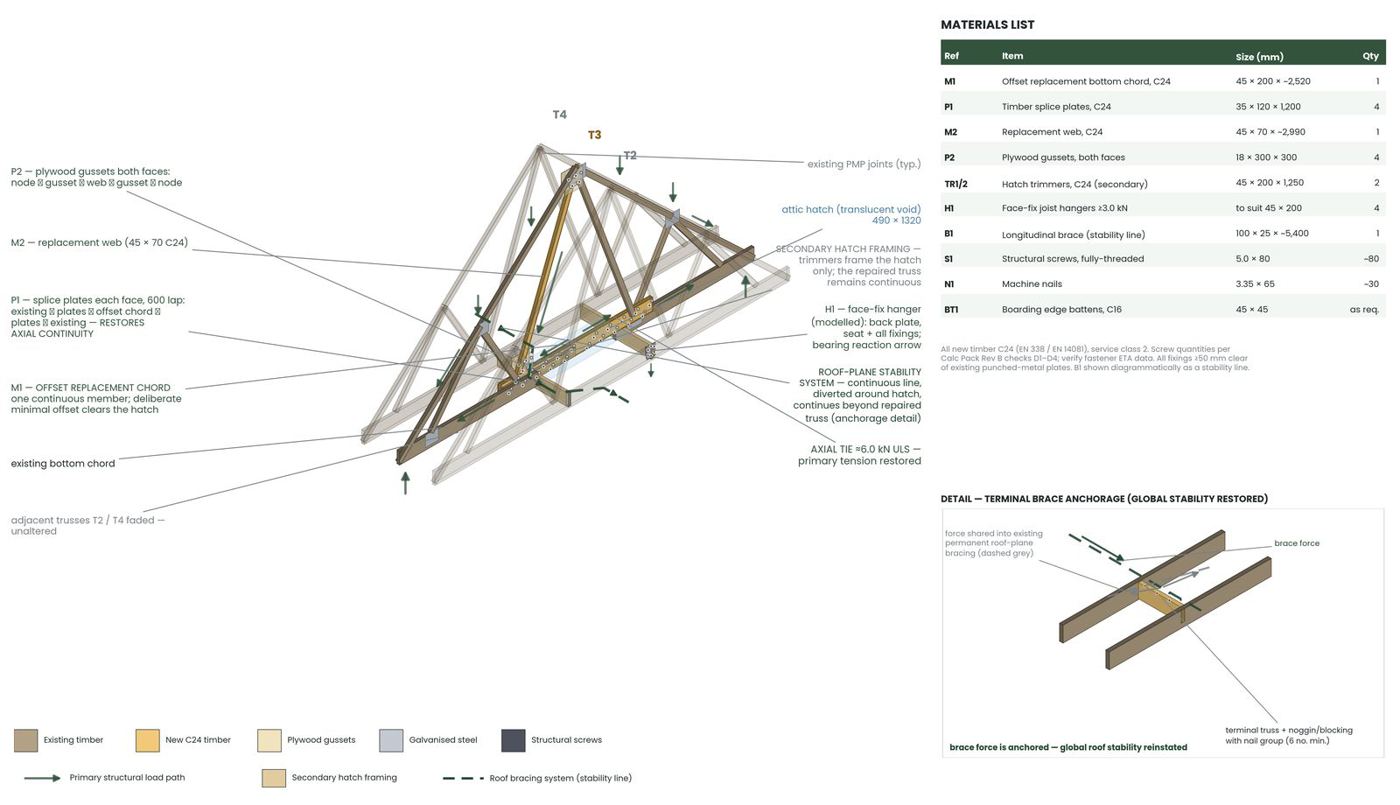
The Cut Truss: Diagnosing and Repairing an Altered Attic Hatch
A purchaser's survey found a roof truss cut to make room for an attic hatch. Here's how we assessed it, designed the repair and signed it off.
Read more
What to Look for When Buying an Older Home in Ireland
A practical guide to the structural red flags and common defects you should watch for before committing to a second-hand property purchase.
Read more